Neutral
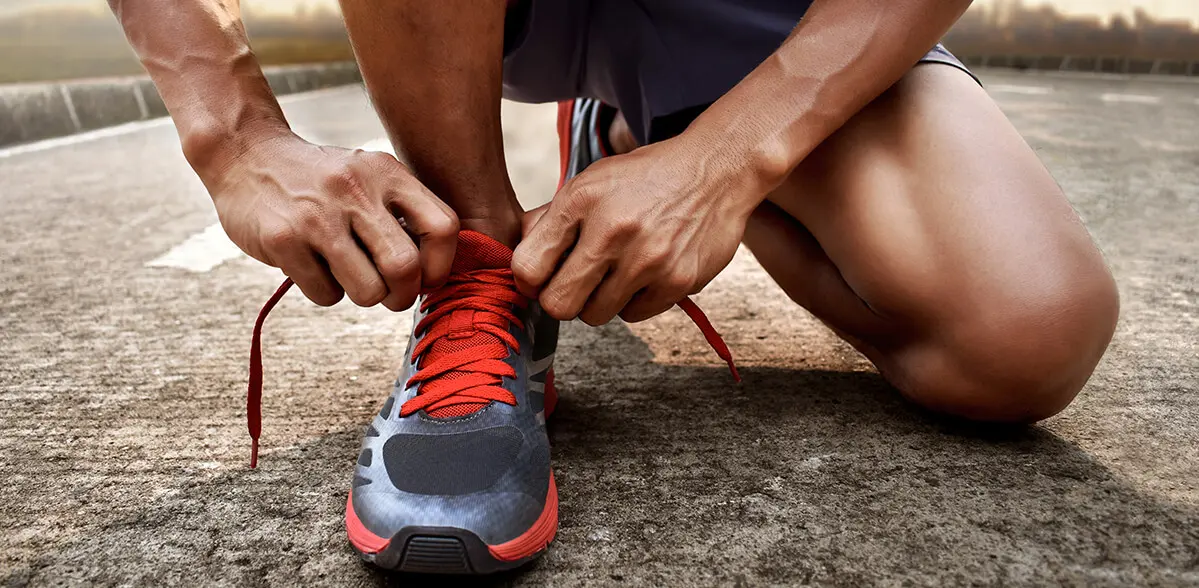
A neutral foot lines up from heel to knee and rolls to a neutral position.
No appointment
A Currex scan, a few leg tests, and ten to thirty seconds of treadmill video. Then you try shoes until the fit is obvious.

The Currex Monolith is a pressure map with more than 4,000 sensors. It reads the foot 100 times a second, sorts the support you need, and measures length and width. The result points at shoes that are actually in the store, plus a Currex insole, and can be emailed to you.
Currex describes RunPro as light and supportive in both minimal shoes and classic trainers with a cushioned midsole and a 10 mm drop.
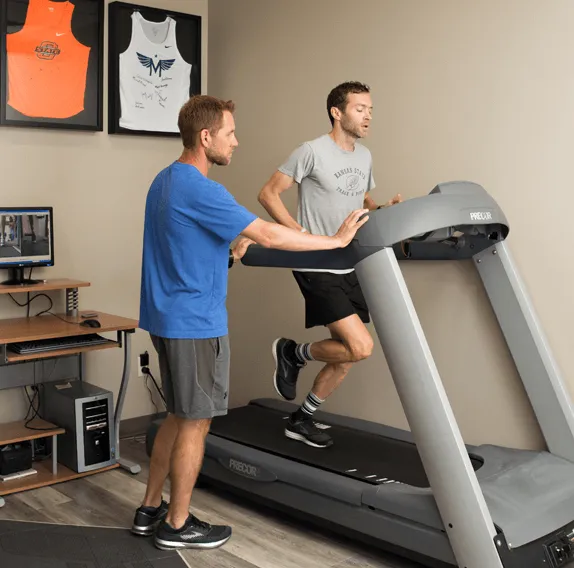
Shop footwearYes. While you walk or run on the treadmill, staff record 10–30 seconds and replay it in slow motion. They watch the foot, the arch, and the ankle, then talk through which shoes match that picture. The store's line is that a lot of running injuries get a better chance when biomechanics and the shoe are looked at together.
A neutral foot lines up from heel to knee and rolls to a neutral position.
An overpronated foot shifts medially and needs more support to slow the ankle rolling inward.
Left alone, the store notes it can strain the foot, ankle, and knee, and show up as falling arches, bunions, hammer toes, or heel pain.
Supination, or underpronation, is too little inward roll after landing. High arches and a tight Achilles often go with it. Shoes wear along the outside edge.
Walk in during store hours. Hours and the address.
Have a question? Ask here
Hours, fittings, brands, the Tuesday run, and staff reviews. Answers come from the store's notes. If those notes don't cover it, you'll get the phone and email.
Manhattan Running Company
